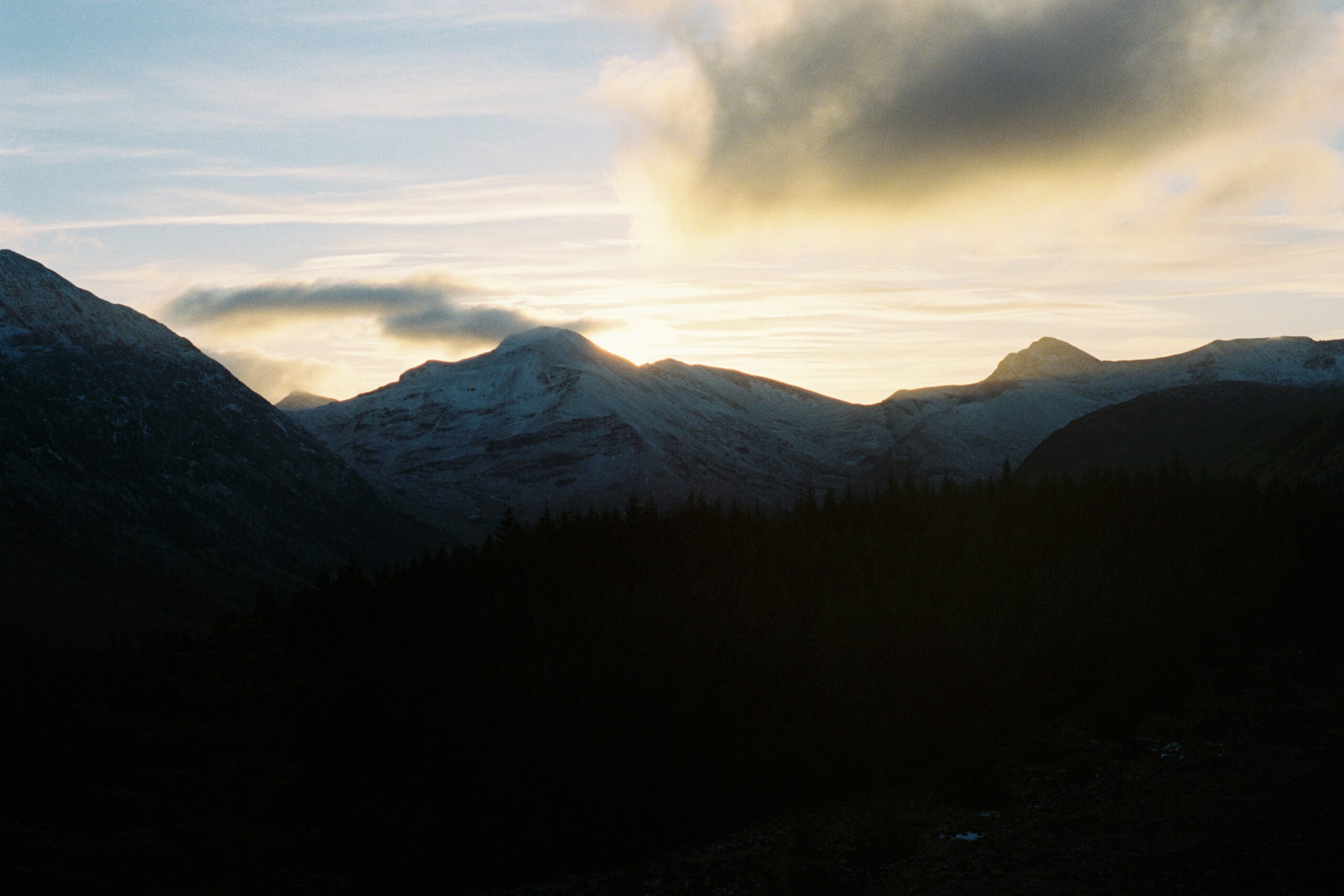
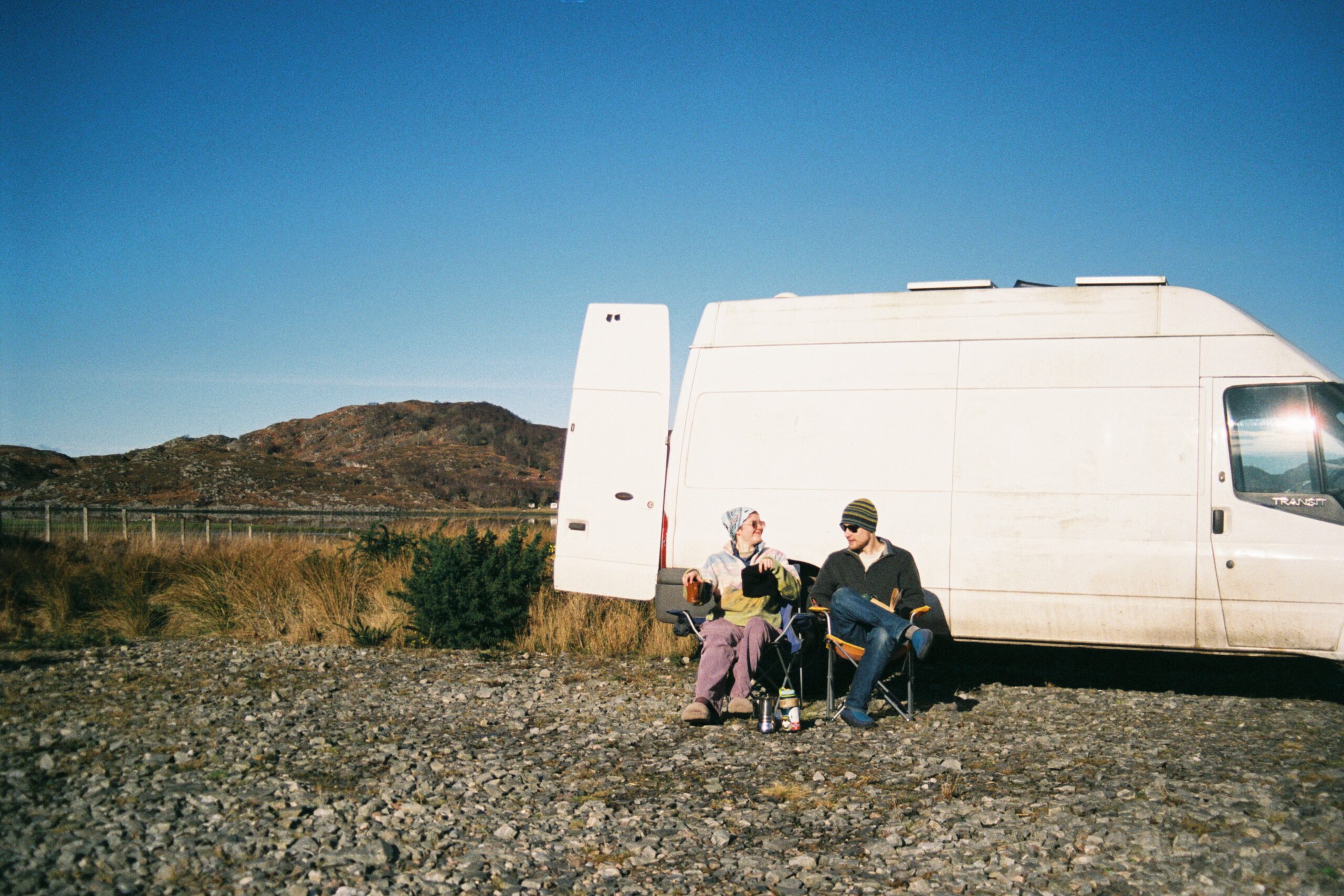
On my trips around the highlands & islands of Scotland, it were often the places where I spent the night that topped the experience – watching the waves crash into the shore from my cabin window, or zipping open my tent to a vivid sunrise.
Scotland has many hostels, huts & bunkhouses for backpackers on a budget. For the more self-reliant traveller, there are bothies & campsites to stay in. The Land Reform Act allows wild camping on most land, creating endless possibilities to sleep under the stars – do follow the Outdoor Access Code, if you decide to do this.
A lot of sites close over the winter, so in this period it can be a challenge to find cheap accomodation, but there's always the odd hut out there for the avid adventurer, in places where you'd least expect it.
Hostels and huts
N.B. All Youth Hostels require a Hostelling Scotland membership (£20 annual or £3,50 per night).
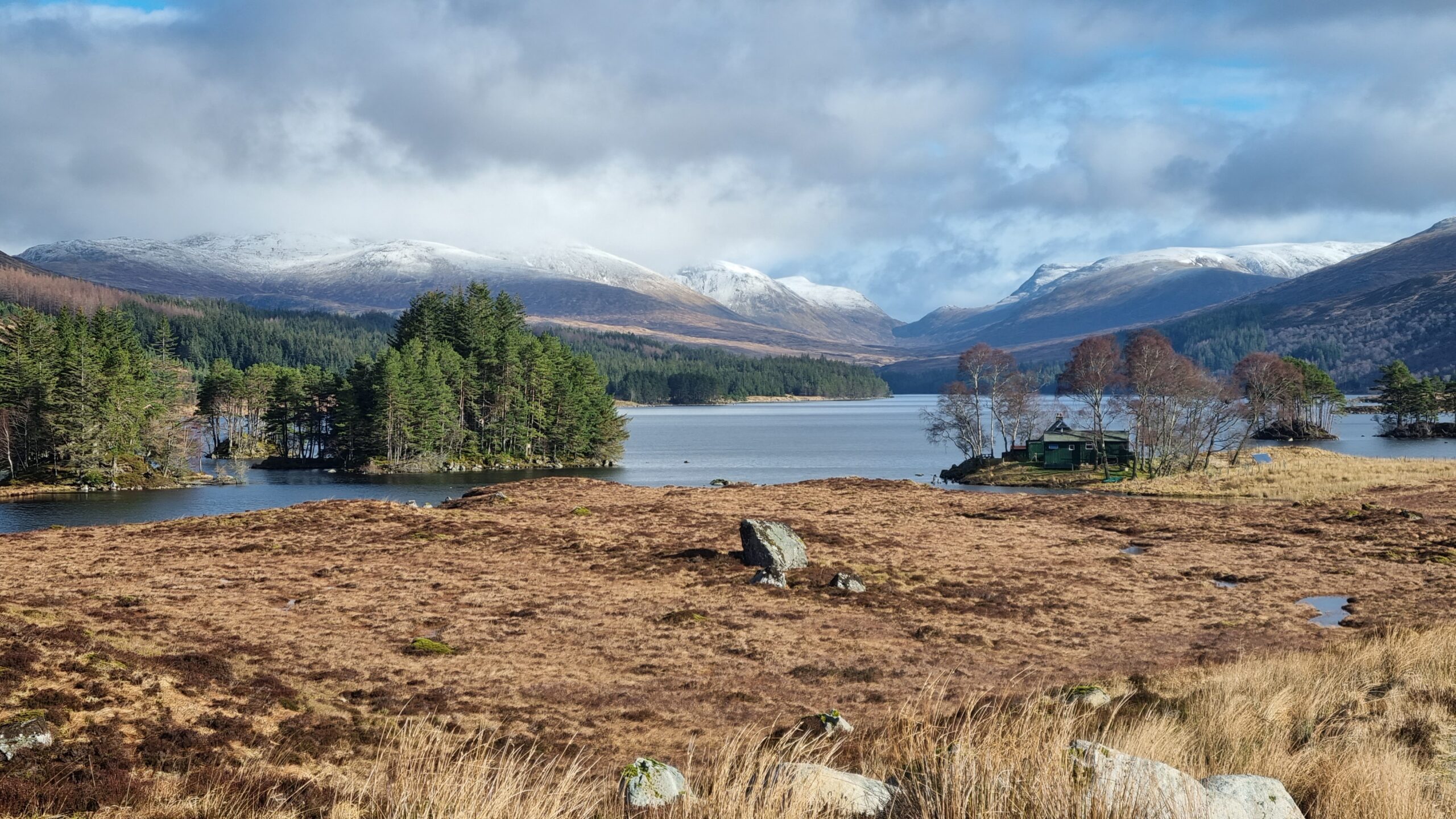
Loch Ossian Youth Hostel ― Lying on the bank of Loch Ossian in bare Rannoch Moor, this tiny eco-hostel is everything a Highland stay should be – basic, snug & close to nature. Jan, who runs the hostel, will get the fire going upon your arrival, making you feel instantly at home.
There’s one common area for cooking, relaxing & socialising, with dorms adjacent to it. The toilets & showers are located outside. With nothing but lonely hills & moorland for miles around, it’s really all you need for a few quiet days outdoors. Hike up Beinn na Lap (935 m) or take a morning dip in the lake.
The only other services in the area are at Corrour Station House, serving as a B&B & restaurant. It shuts in winter, so make sure to bring enough supplies if you come here during this time of year.
⁍ Open year-round (Nov-March: Tuesday - Thursday only) | from £23 per night
⁍ Facilities: shared male and female dorm, kitchen, lounge area, wood-burning stove, composting toilets, hot showers, drying rack, small shop. Limited phone service.
⁍ How to reach: no road access. Nearest train station is at Corrrour, a 20 min walk. It's the highest railway station in the UK, located on the West Highland Line between Glasgow and Fort William.
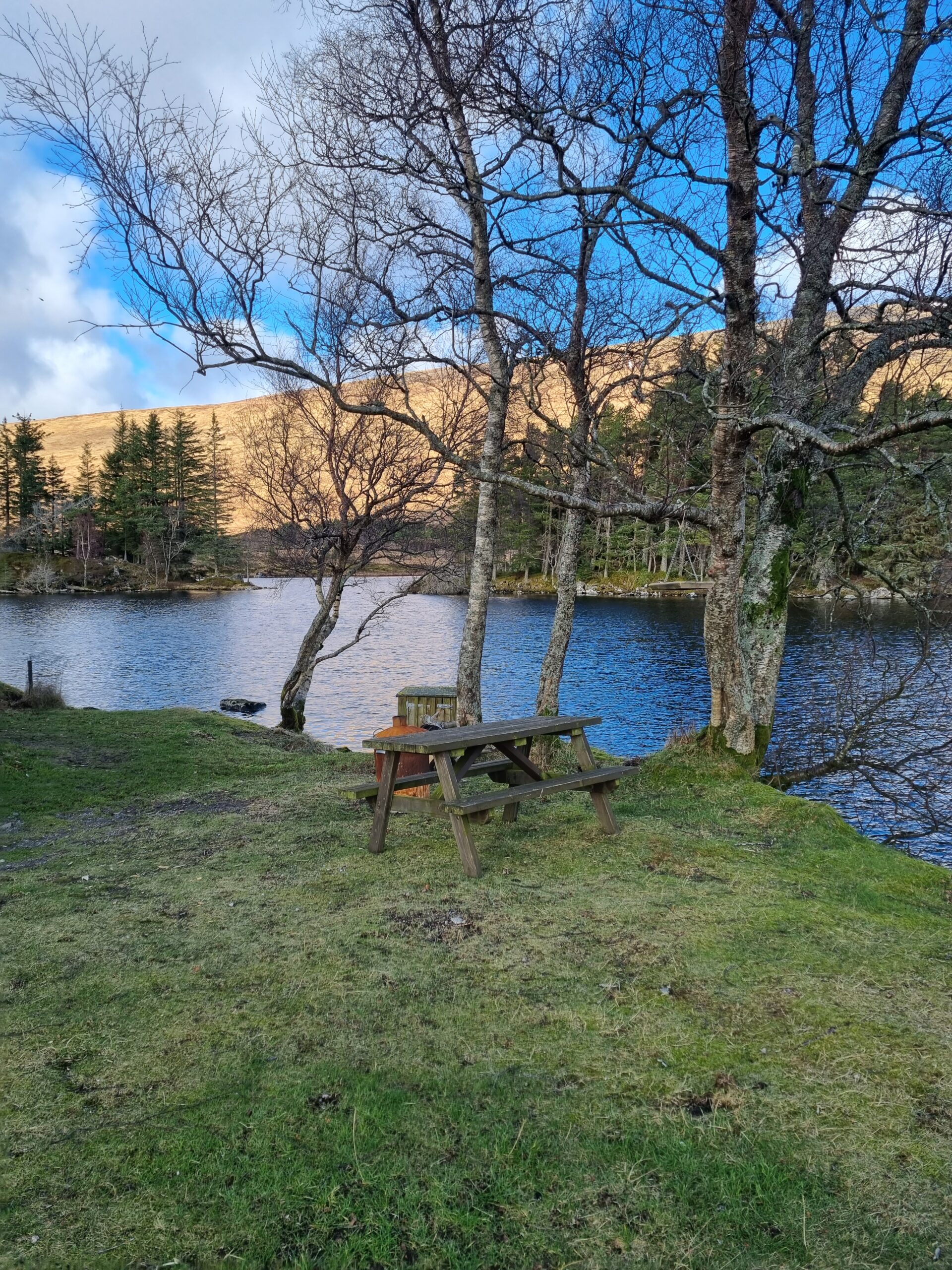
Browns Hostel, Stromness ― This hostel on the Mainland of Orkney came as a very warm welcome on some lonely winter days. All rooms are private, yet the prices are as low as any other hostel. An incredibly friendly hostess, who was kind enough to leave my room to me when I was away to Hoy for two nights. Kitchen has a homely feel to it and is a great place to chat with other backpackers.
This is the only hostel on Orkney that I found to be open year-round, a gem for those venturing these parts in winter!
Beware that payment is cash only and the nearest cash machine is in Kirkwall, so make sure to withdraw cash before you arrive to Stromness.
⁍ Open year-round | from £20 per night
⁍ Facilities: private rooms with washbasin, kitchen, laundry, WiFi
⁍ How to reach: ferry from Scrabster or bus X1 from Kirkwall
Aviemore Youth Hostel ― An excellent base for adventures in the Cairngorms. You can walk straight to a loch or hilltop from the hostel doors, and a short bus or bike ride will get you to the trailhead of various munros.
The hostel is filled year-round; during winter it is often the base for winter mountaineering courses. This means you shouldn’t come here for your peace and quiet, but rather to share in your adventures!
⁍ Open year-round | from £22 per night
⁍ Facilities: shared dorms & private rooms, kitchen, dining room, breakfast, lounge area with TV & pool table, laundry & drying room, WiFi
⁍ How to reach: buses and trains between Glasgow/Edinburgh/Perth and Inverness pass by Aviemore.
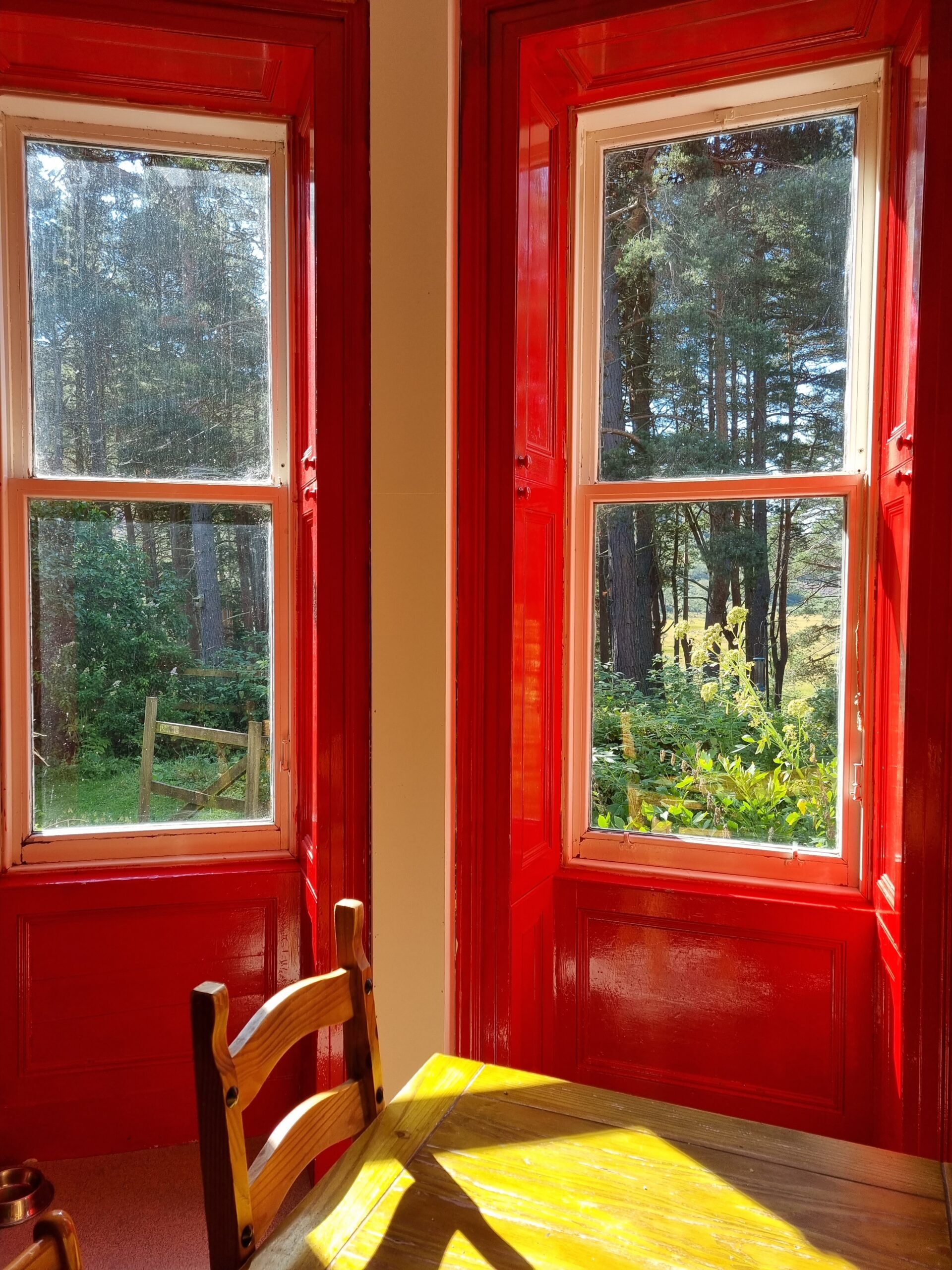
Braemar Youth Hostel ― Another Cairngorms location, now on the southern side of the range. Located in a historic lodge tucked away between pinewoods, the approach to this hostel is like entering a fairytale. Beautiful red wood panels in the kitchen gleam romantically in the morning sun, only adding to the atmosphere.
I only had a short overnighter here on my way down south, but the area is worth a longer stay. Walk along the river Dee or into a woodland glen, or go further out, to the wild heights of the Cairngorms plateau.
⁍ Open year-round | from £22 per night
⁍ Facilities: shared dorms & private rooms, kitchen, dining room, breakfast, lounge, laundry, WiFi
⁍ How to reach: bus 203 from Ballater
Elphin Caving Centre ― Perhaps the best window views over the fabulous hills of Assynt can be seen from the conservatory of this cabin in Elphin.
Elphin Caving Centre is a caving hut, aimed at groups exploring the caves around Assynt. If you are interested, check the Grampian Speological Group, who run the hut. They organise trips that first-time cavers are welcome on as well. Or check if your local caving club has any trips to Assynt coming up.
⁍ Open year-round | £5 for club members, £10 for non-members
⁍ Facilities: bunks for 20 people, kitchen, dining conservatory, lounge area with fireplace, hot showers, drying room. Limited phone service.
⁍ How to reach: bus 3A or 809 from Ullapool
Harbour BBQ Hut, Rùm ― My stay in Kinloch was by complete chance; after four nights of sleeping wild, my partner and I had walked from Kilmory Bay that morning, hoping to catch the ferry back to mainland, to find that it had been cancelled due to bad weather. The next ferry wasn’t until two days later, meaning we were stuck on the Isle of Rùm for another two nights, on the darkest days of winter. We went to the village shop to stock up on food supplies. Surely you aren’t going back out there in this weather? were the words we were met with. The shop owner offered us her BBQ hut on the harbour for the price of two packs of coal to light the barbeque with. At this time of year, no one was staying on the island except for the 30 or so villagers of Kinloch, so the hut was empty. Very lucky for us! The cozy wooden hut with sea views over Loch Scresort was a very welcome change from three dark wet days out on the coast, and we spent the last days before Christmas playing cards and sipping wine with our feet up.
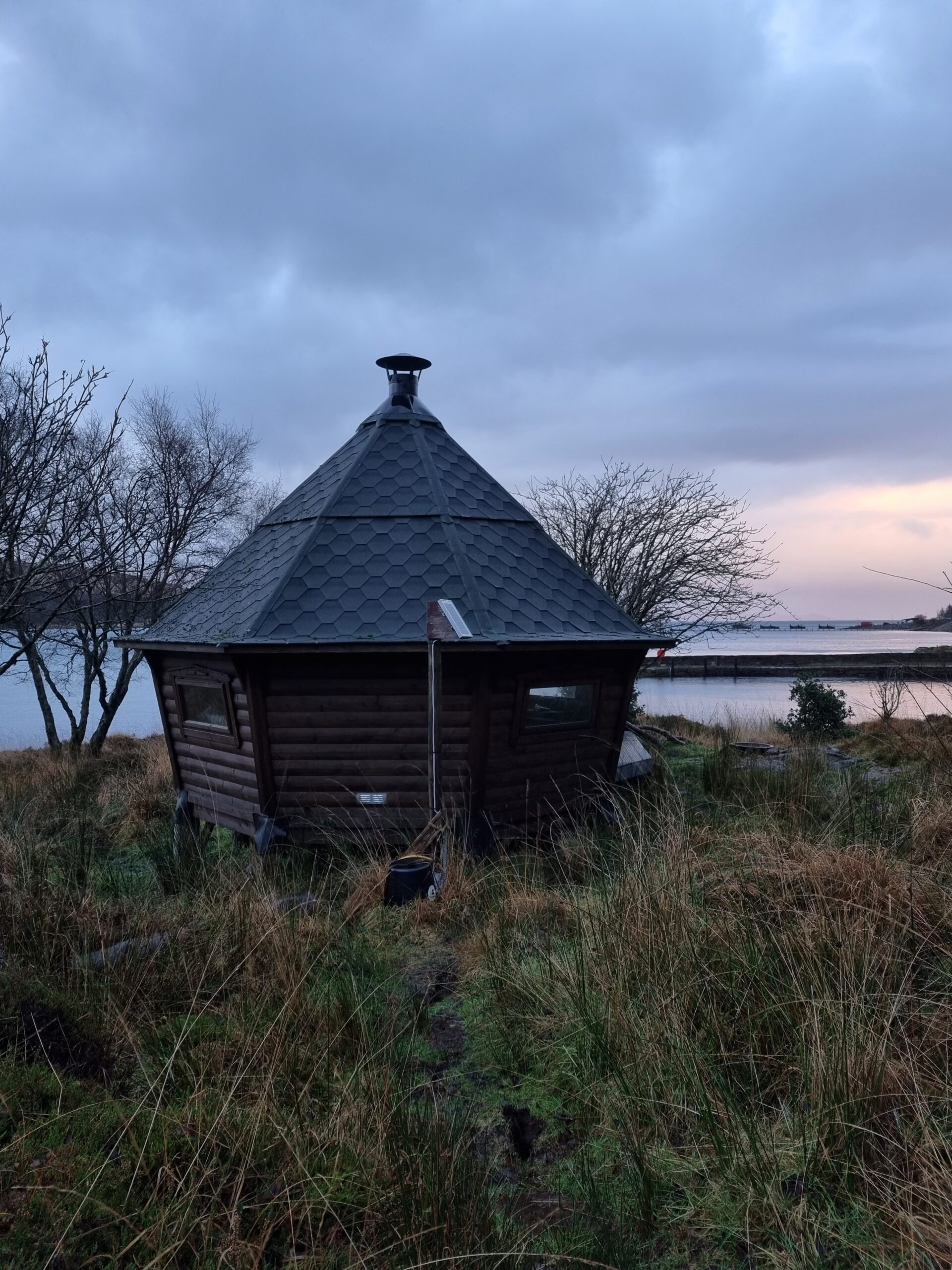
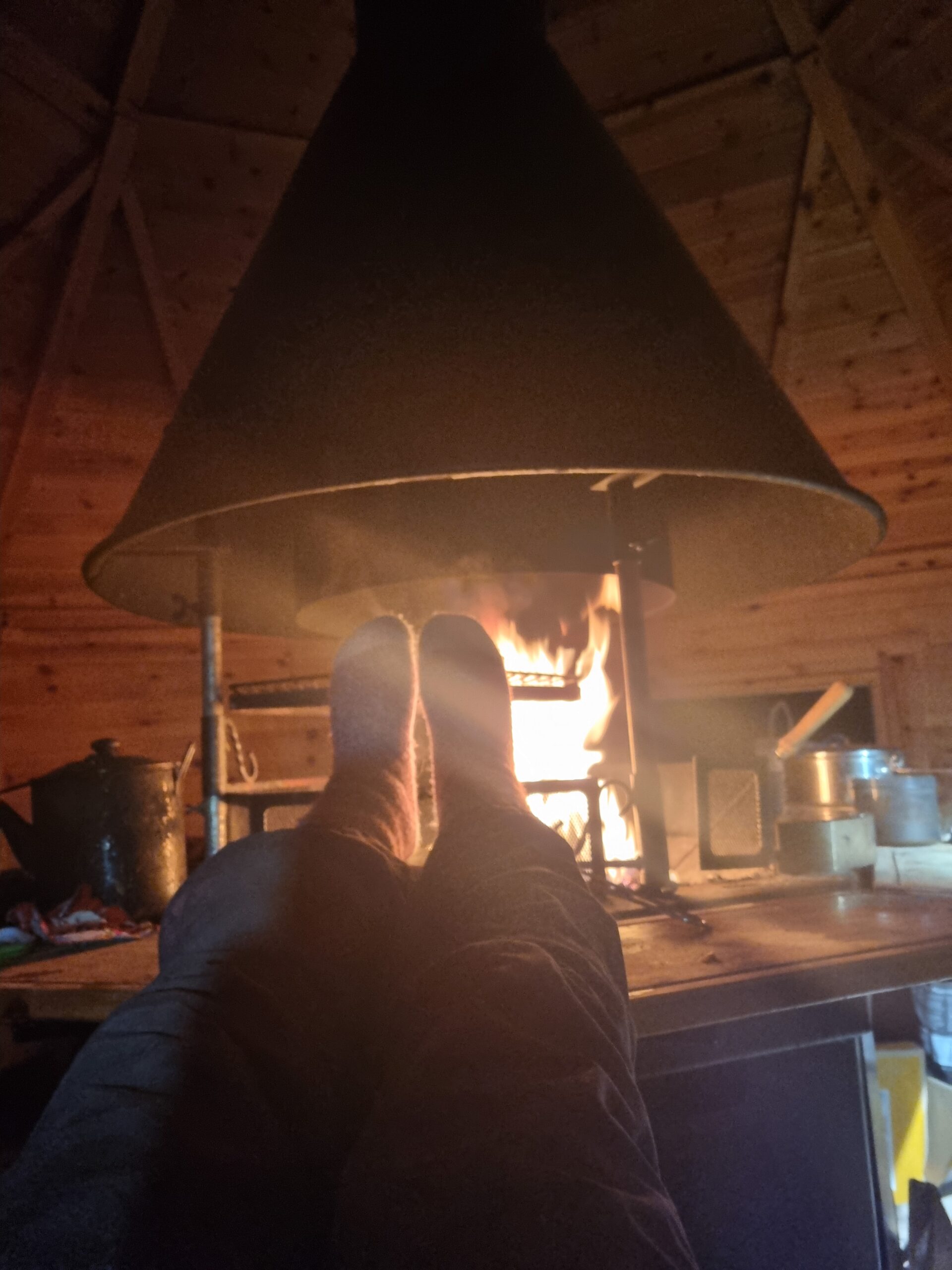
The Harbour BBQ hut is located next to Kinloch's campsite and bunkhouse, other great options for a rustic stay on this truly remote island.
⁍ Contact harbourhut@gmail.com for prices & availability
⁍ Facilities: BBQ pit, platforms sleeping four. Bring your own stove & sleeping bag. Campsite's toilets & showers accessible on roadside. Limited phone service.
⁍ How to reach: 10 min walk from Kinloch ferry terminal.
Bothies
Bothies are freely accessible wilderness huts dotted around the Scottish Highlands and Southern Uplands (and other mountainous regions in Britain). Often nothing more than four walls with a fireplace & a roof above the head, staying in a bothy is like camping but without a tent. So bring everything you'd normally bring while camping, plus some fuel for the fireplace. Some bothies have a provision of wood or coal, pots & pans, gas or even canned food left by previous visitors – very useful, but never rely on this! Restock provisions if possible, and only use up what you absolutely need.
Most bothies are maintained by the Mountain Bothies Association, and they have a very useful map on their website on which you can locate bothies. Most are hidden in remote regions, and require a long hike in – making the arrival ever the more rewarding.
Please remember to respect the bothy code: leave no trace and take any rubbish you find with you, and avoid coming with groups larger than 6 – bothies, after all, exist as a refuge.
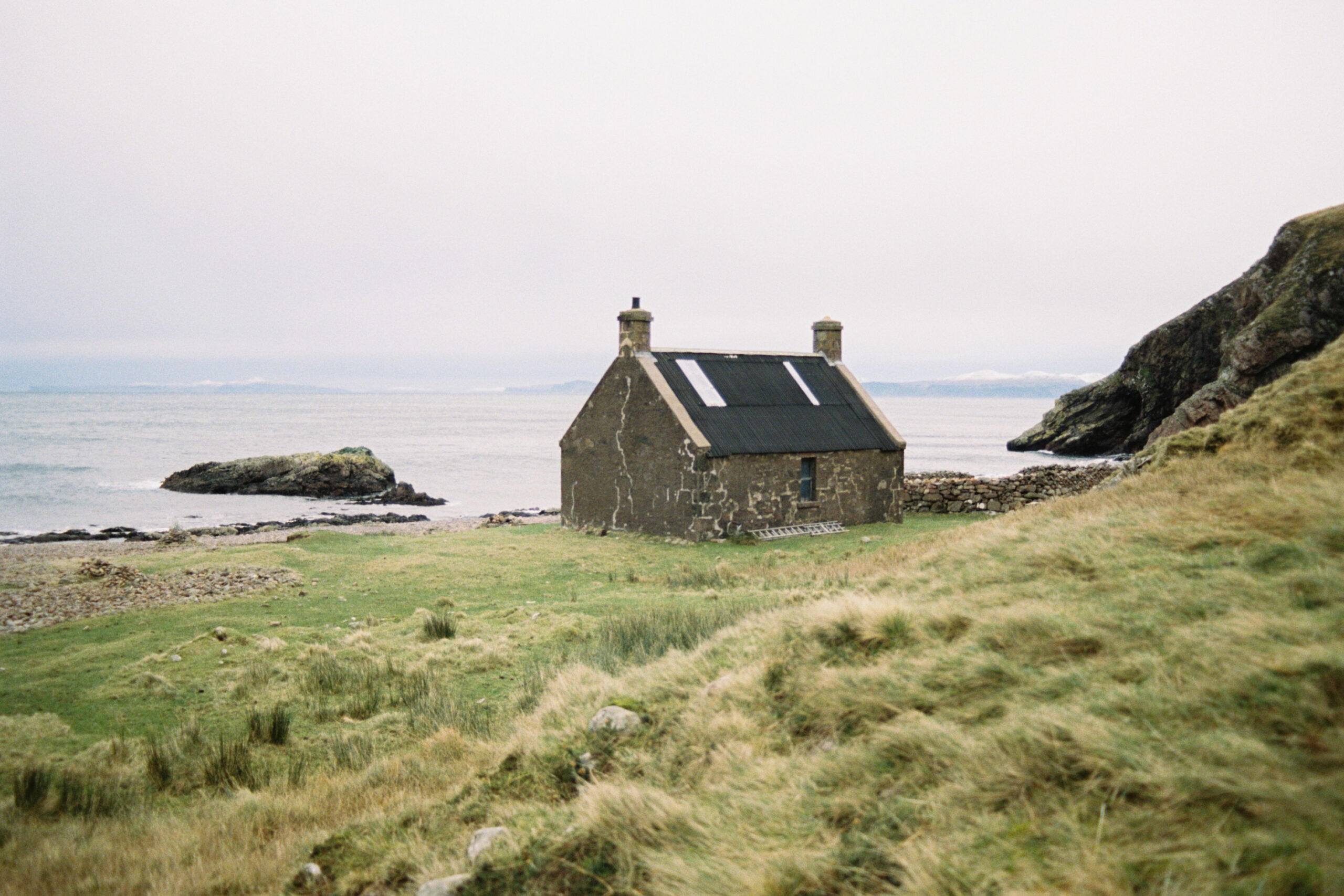
Abyssinia Bothy ― My first ever bothy trip was to Abyssinia, and the first one is always a memorable one. When the roof comes into view after struggling through wind and cold and rain; the comfort when you finally have four walls around you; drying up your wet gear on the drying racks; the anticipation of who else is gonna show up that night; the wind rattling the doors at night.
One thing I learned, is to never arrive at a bothy without fuel. My friends and I thought we’d save some weight and find driftwood around the bothy – but after hours of rain there wasn’t any wood nearly dry enough to get burning. So my dry food was our only source of warmth, heating our bellies for a little while, before we were forced into our wet sleeping bags, shivering through the night.
Abyssinia is one of the newest bothies: although the building itself originates from the 1800s, it only opened as a bothy in 2017. It is situated in Glen Kinglas on the edge of the Arrochar Alps, easy to reach from Glasgow. You can use the bothy as a starting point for tackling the munros in the area – mind you’ll have to make your own way up over rough and boggy terrain; there are no trails leading up the hills from here.
A river needs to be crossed before you reach Abyssinia from the roadend – this becomes impossible in spate, though anno 2022 we could make use of fences that crossed the river a little upstream. Take caution when attempting this, the structure is very unstable.
⁍ Facilities: fireplace, drying racks, picnic table, cooking platform, dormitory with bunks for 8 people. No driftwood in the area. Limited phone service.
⁍ How to reach: parking at Butter Bridge, an hour’s walk away over a straightforward forest track. Nearest bus station is at the Rest and be Thankful viewpoint, another 2,5 km away, adding a not so pleasant walk over the busy A83 to the route. Much care is needed when walking here.
Over Phawhope Bothy ― A cosy, well-maintained bothy located on the Southern Upland Way. Comes with a big, soft couch & a toilet – very luxurious for a bothy!
Forestry work around the bothy quells some of the spirituality of the place, but nearby Ettrick Hills make for a delightful overnight trip from Moffat, taking in Croft Head (637 m).
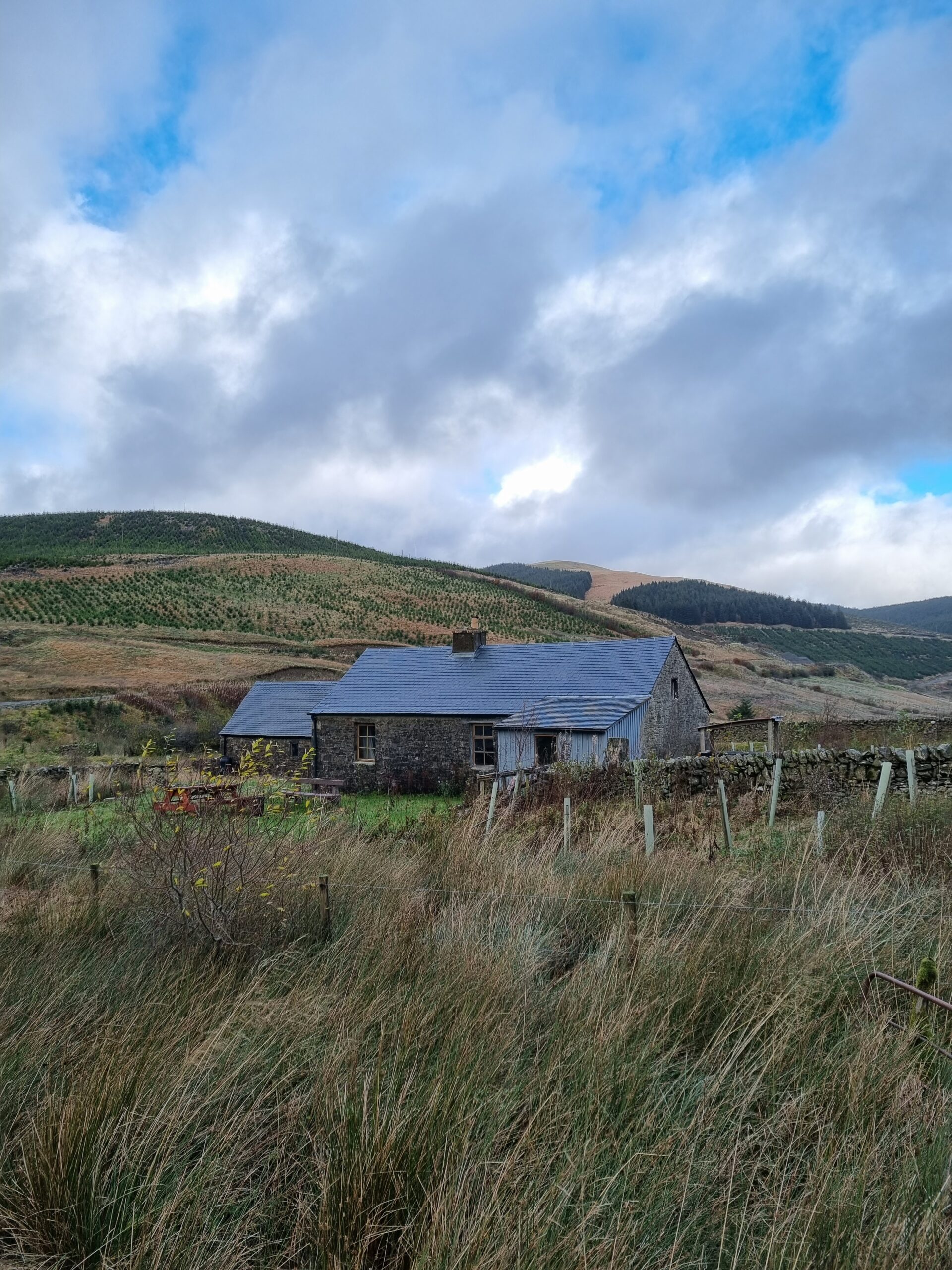
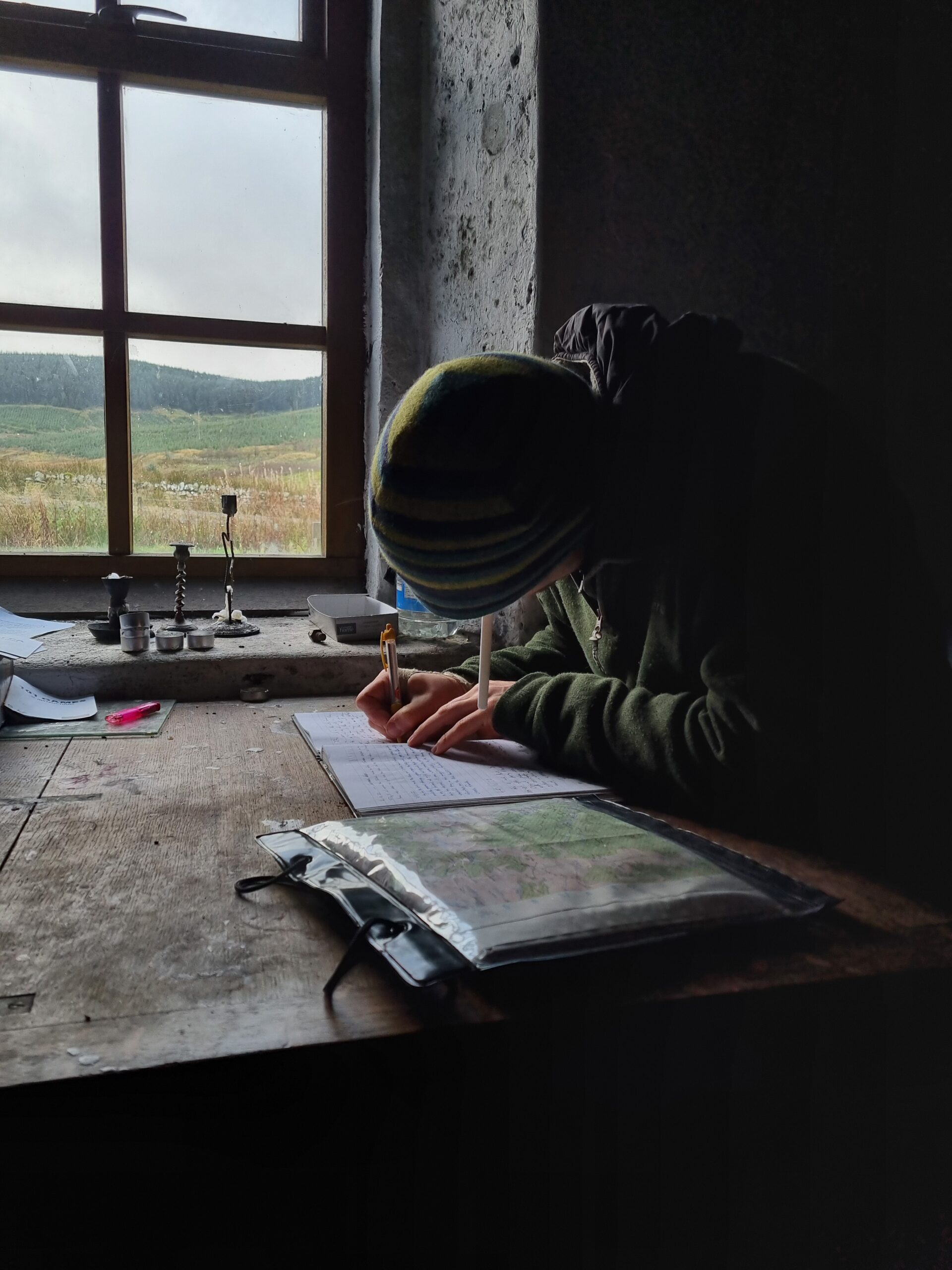
⁍ Facilities: fireplace, drying racks, tables, chairs & couch, 2 dormitories with platforms for 8 people, seperate toilet building with a bucket & running tap to flush with. Driftwood in the area. No phone service.
⁍ How to reach: nearest parking at Ettrick road end, 30 mins over forestry track. Or bus to Moffat & hike part of the Southern Upland Way, high route over Croft Head or low route through Wamphray Water glen (both ±14,5 km).
Burnmouth Bothy ― Rackwick Bay is the most spectacular setting for any bothy I’ve been – a big crescent-shaped bay, bound by an enormous vertical cliff dropping into the ocean, its rocks sparkling in the low sun. Burnmouth Bothy lies right by the pebbly reddish beach facing the cliffside, and your gaze will constantly wander there during your stay here.
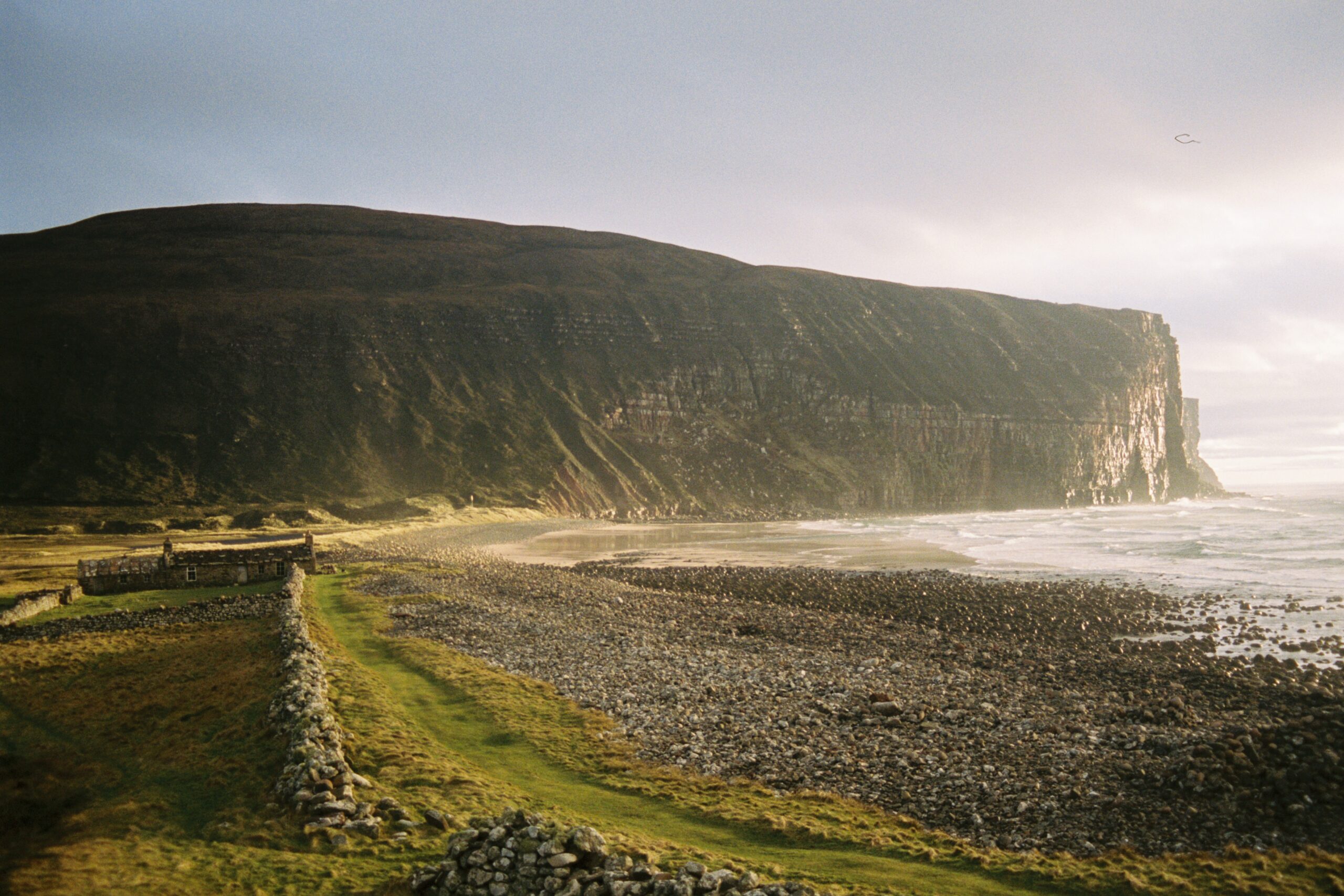
Burnmouth Bothy was my first time staying in a bothy on my own. It was January, and night reigned over day. Rackwick has some crofts scattered around the bay, but at this time of year most of the lights were out. Cuddled up by the fireplace through the long hours of the evening, accompanied only by sputtering logs & winter wind, it was hard not to feel alone here. The huge cliffs made me feel small, but it wasn’t so bad a place to feel small in – quite the contrary.
Burnmouth Bothy is not managed by the MBA, but by the Hoy Trust, who conserve much of Orkney’s most rugged isle. The bothy is very simple: one low-roofed communal room with a fireplace, table & stone platforms in it – if sharing with others, mind there’s nowhere to withdraw to. There's a seperate entrance to a toilet & tap, do boil or filter the water before drinking it.
Rackwick Hostel is located in the same bay, closed when I was there, but as of 2024 it appears to be open year-round.
⁍ Facilities: fireplace, drying rack, table, benches & chairs, 2 camping beds & stone platform sleeping 6, flush toilet & running water tap. No driftwood in the area. Limited phone service.
⁍ How to reach: 5 mins from Rackwick car park. Minibus from Moaness Pier, or hike the 9 km from Moaness through lovely Rackwick Glen.
Guirdil Bothy ― There are few places I've travelled in Scotland that felt as far away as Guirdil Bay on Rùm. Maybe it was the 3 hour hike in over empty moorland. Maybe it was the dark of winter, enveloping the coast. Maybe it was the absence of any form of human life, on an island nearly uninhabitated to begin with.
Whatever it was, there's an utter wildness to this place – it will soak you up, and for the duration of your time here, you'll forget that life outside the bay exists. You’ll spend your days climbing Bloodstone Hill (388 m) and scavenging bloodstone on the beach, scouring sea caves and spotting deer & feral goats out on the hills. All the while, there’s the humming waves & tiny Canna out in the sea.
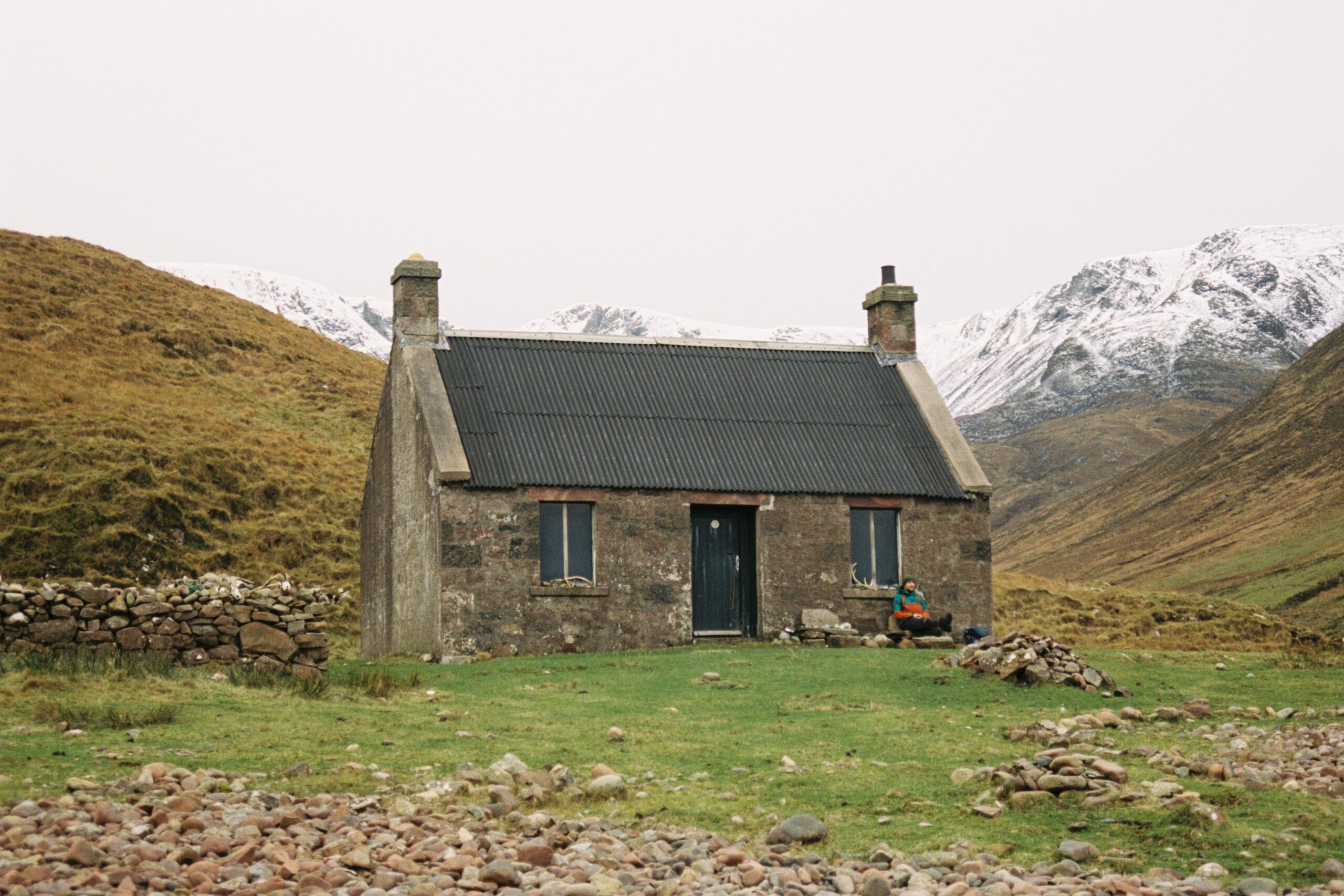
A former shepherd’s cottage, Guirdil is a spacious bothy, with a ladder leading to a loft with plenty of room for mattresses. The ground floor is divided in two, giving the communal space by the hearth a cozy, confined feel.
⁍ Facilities: fireplace, drying racks, table & chairs, cooking platform, loft sleeping 8. Some driftwood in the area. No phone service.
⁍ How to reach: 10 km hike from Kinloch through Kinloch Glen & Glen Shellesder, first over a vehicle track, later a boggy foot path. Several river crossings before reaching Guirdil Bay, the last of which could prove difficult when in spate.
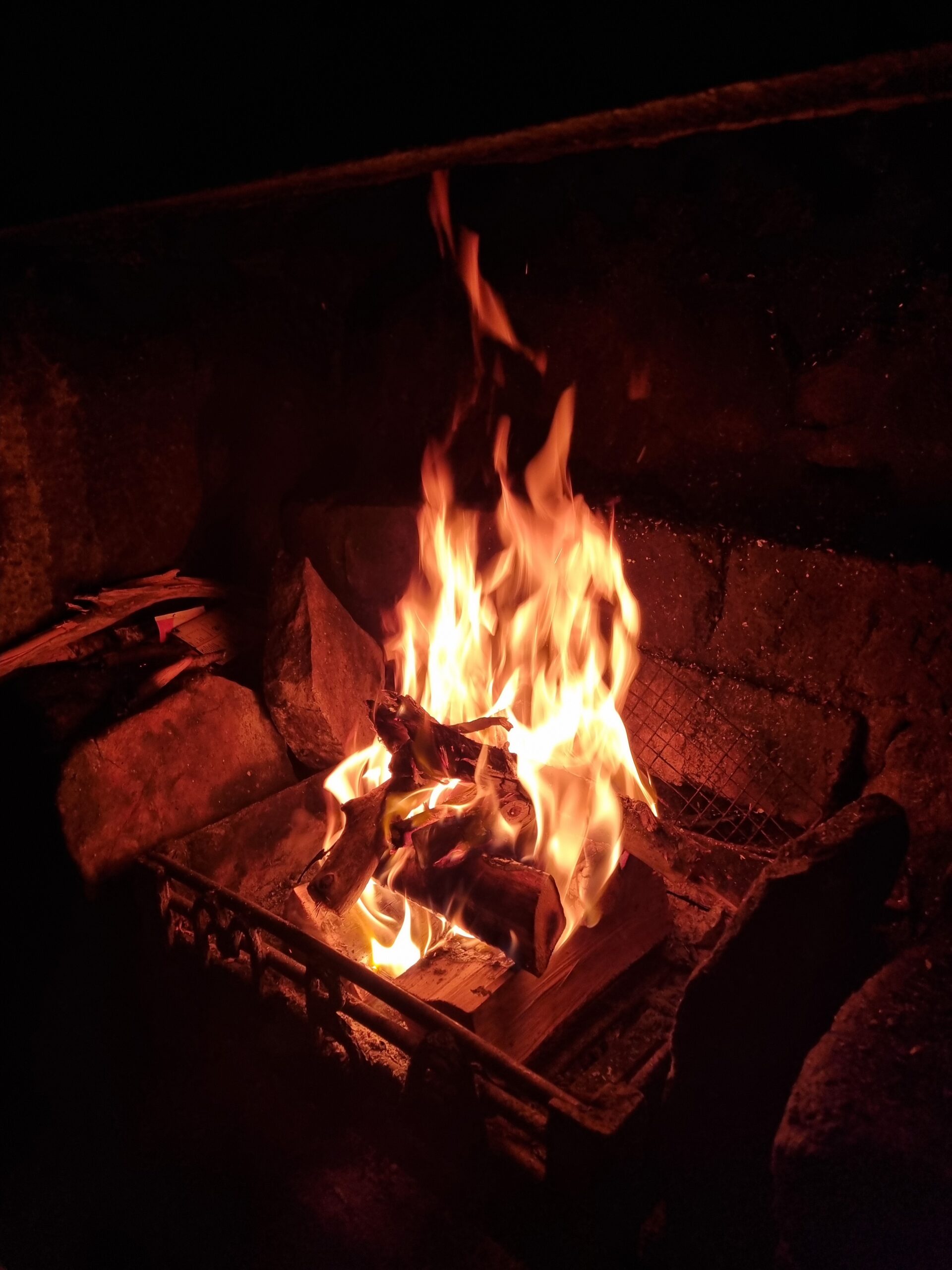
Camban Bothy ― I associate bothies with dark winter nights, drying up after a dreich hike, the fire as my only light source. But there’s an equally magical feeling to a bothy at the height of spring, when a faint light gleams through the windows all through the night, and you sweat out of your down sleeping bag. This is my memory of Camban Bothy.
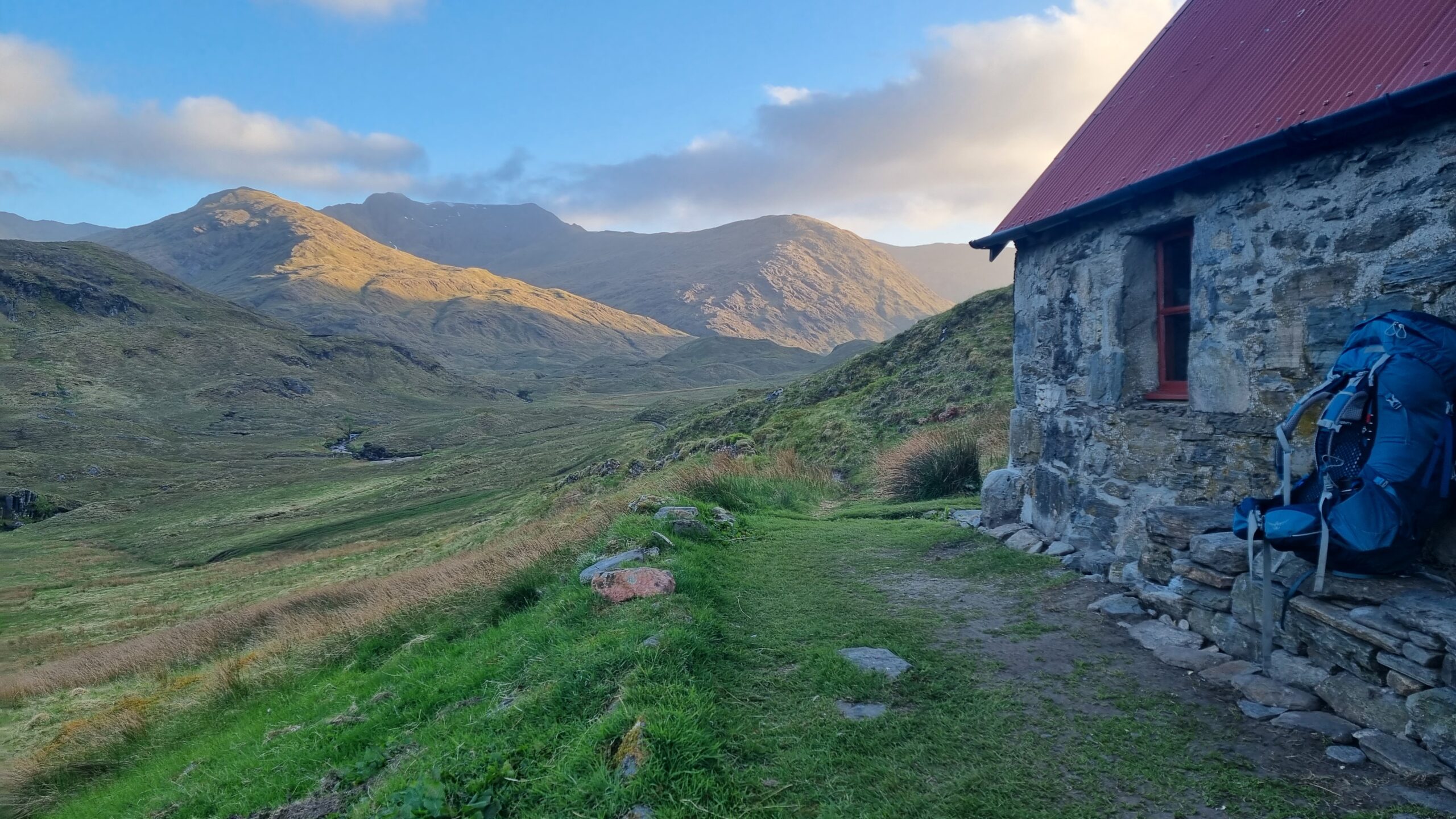
Camban lies at the head of a lush glen, tucked between some of Scotland’s most atmospheric hills. Shadowed on the northside by Bheinn Fhada, to the south views stretch out over the Brothers of Kintail.
The bothy has a characteristic red roof & window frames. Its interior is very pleasant, entering through a hallway seperating two rooms to retire to, both with a hearth & sleeping platforms.
If you’re looking for a little more comfort, Glen Affric Youth Hostel is located 3 km deeper into the glen. It’s the most remote Youth Hostel in Scotland, and offers a warm haven in the heart of the Kintail wilderness.
⁍ Facilities: two hearths, drying racks, table, benches & chairs, cooking platform, two bunks both sleeping 8. No driftwood in the area, no phone service.
⁍ How to reach: direct bus from Glasgow to Ault a’Chruinn or park car at Morvich. Best route is through Gleann Lichd, 13 km from Morvich. Other approaches are through Gleann Gniomhaidh over Bealach an Sgàirne (more dramatic but boggier trail and bigger ascent) or from Glen Shiel over An Caorann Mòr (very boggy).
Campsites
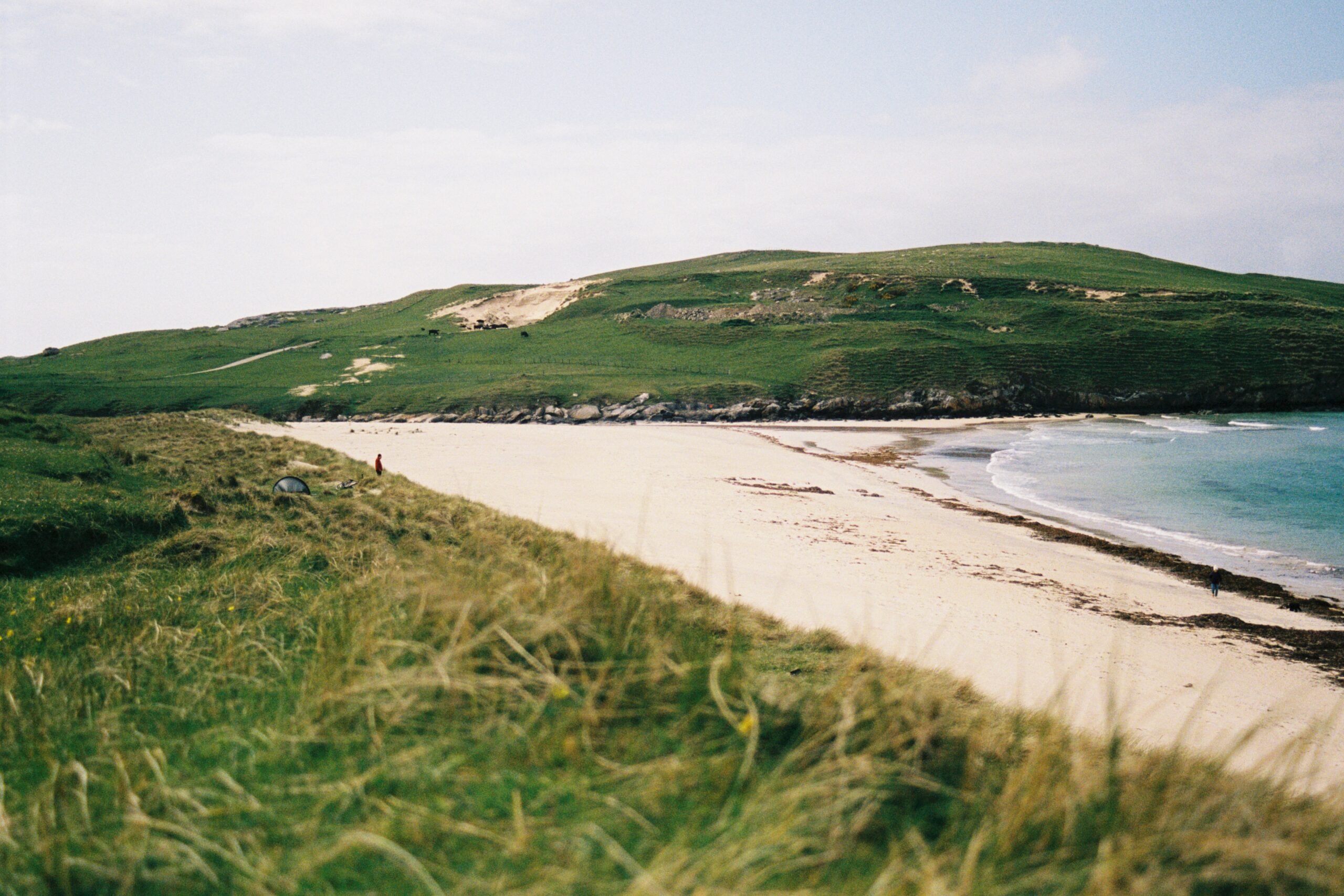
Scourie Caravan & Camping Site ― Pitches on a rocky outcrop overlooking a dreamy Sutherland bay. Onsite bar functions as the village pub. Biggest surprise here is the wee ferry expedition to offshore Handa Island, a wildlife reserve with huge bird colonies (and puffins in spring!). Scouring the island's cliffs with my binoculars, I felt like a proper boy scout!
⁍ Open year-round | from £13 per night
⁍ Facilities: grass and hard-standing pitches, electric hook-ups, laundry, dishwashing room with kettle and microwave, onsite supermarket & bar serving food, chemical waste disposal, WiFi at bar
⁍ How to reach: bus 805 from Inverness
Horgabost Campsite ― A camp on the windswept dunes of South Harris, with spectacular views over to the isle of Taransay and the hills of North Harris. Try to find a pit in the dunes for some extra shelter, but be prepared for the sea breeze.
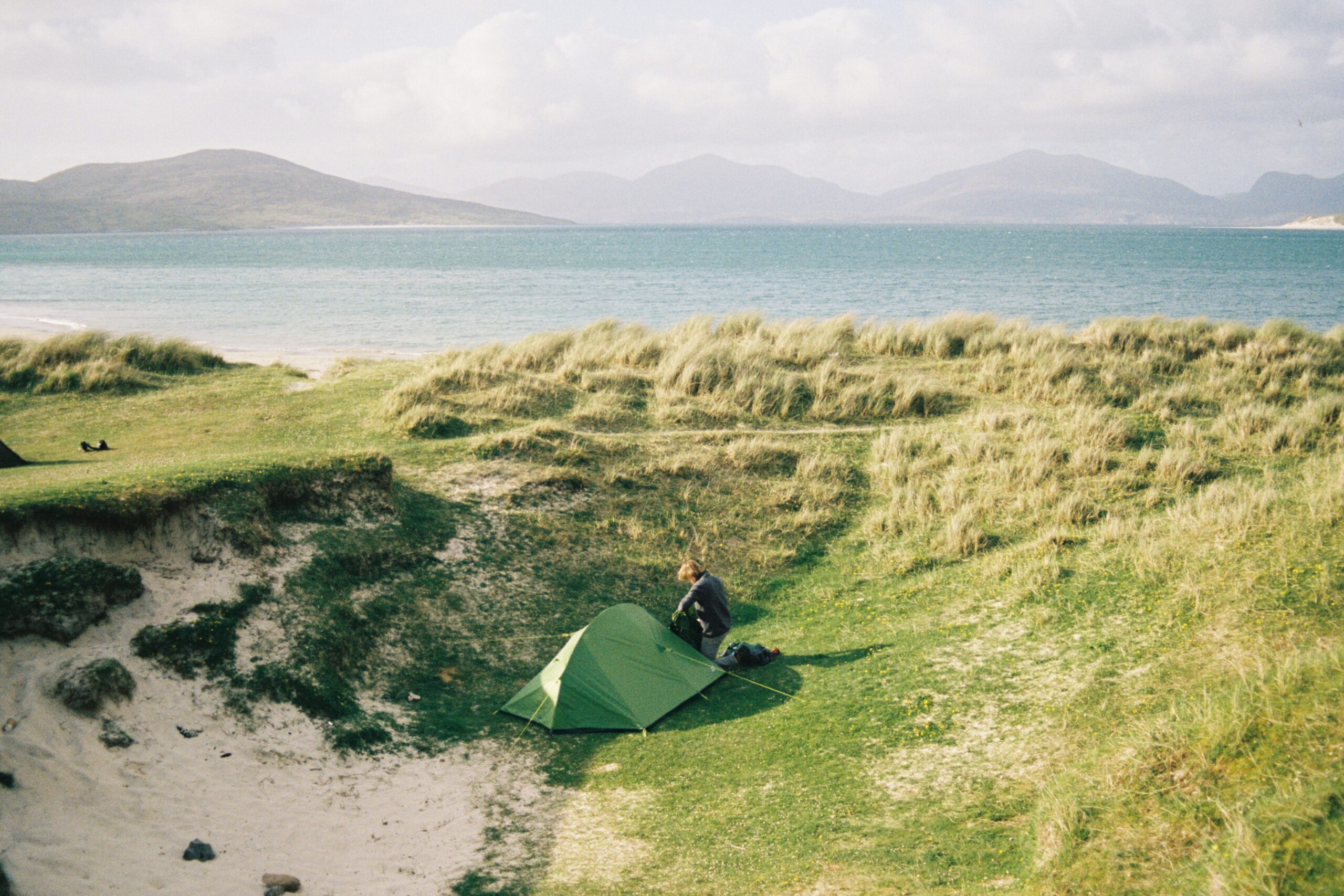
The campsite is frequented by cyclists on the Hebridean Way. Sanitary block could do with an upgrade, but the kitchen area is a nice place to sit down and chat with folks.
There’s a lot of good walking straight from the campsite, over endless stretches of formidable beaches. Find the standing stone of Macleod or take the Coffin Road through the moors.
⁍ Open May – September | from £10 per night
⁍ Facilities: free grass pitches, no electric hook-ups, coin-operated showers, dishwashing room with communal fridge and power sockets, chemical waste disposal, no WiFi.
⁍ How to reach: bus W10 from Tarbert stops here on request.
Caolasnacon Caravan & Camping Park ― One of my favourite spots in the West Highlands. Located on the south bank of Loch Leven, you'll be blessed with both perfect sunrise and sunset over the wide length of the loch. The most scenic campspots are right on the water's edge, but in summer it might be wise to camp a bit higher up on the shore to escape the worst of midges.
⁍ Open April – October | from £22 for small tent
⁍ Facilities: free pitching on grassy dunes, electric hook-ups, furnished caravans for rent, dishwashing room, 2 washing machines & dryers, chemical waste disposal, no WiFi.
⁍ How to reach: bus N44 between Fort William and Kinlochleven stops on the roadside.
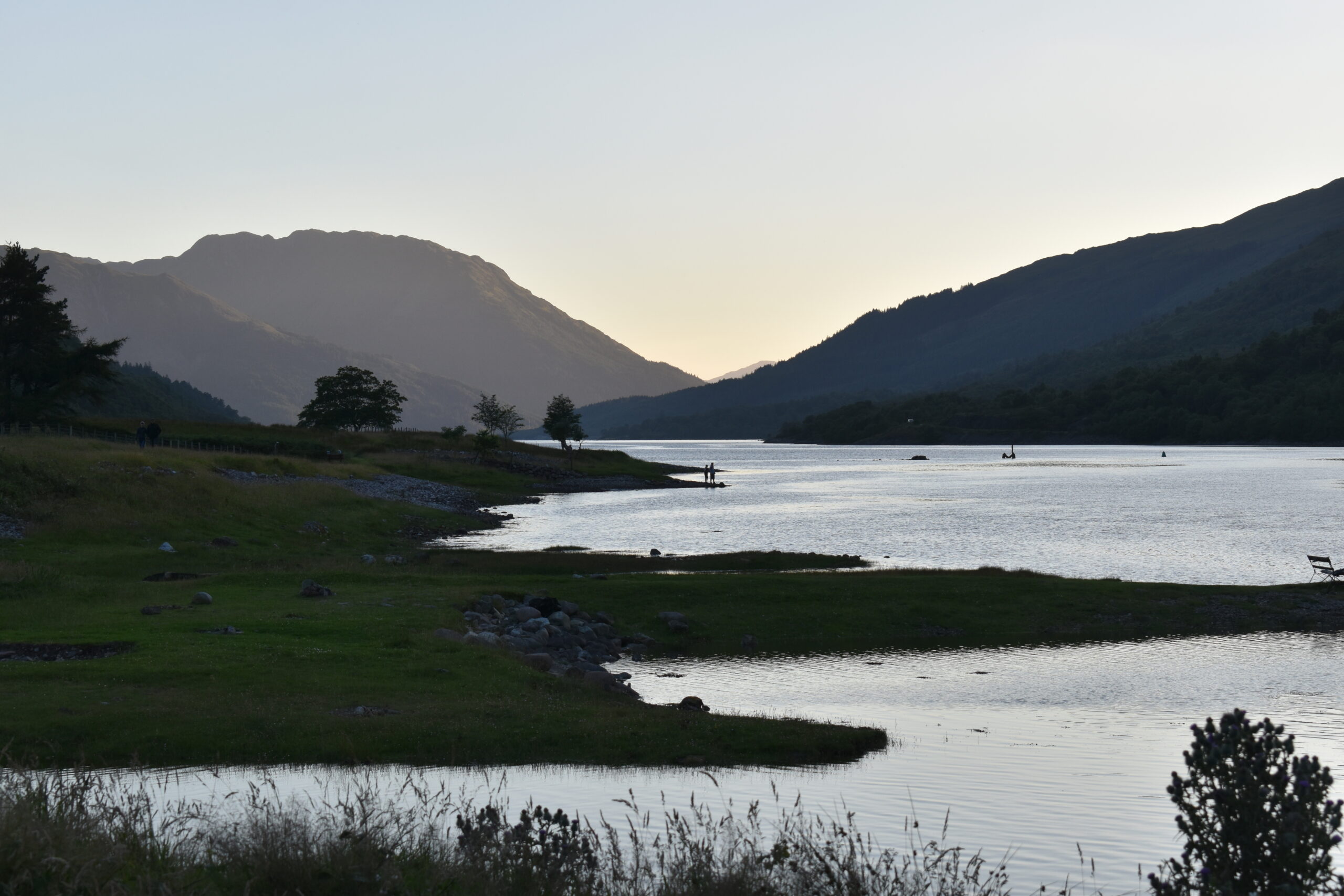
Glenbrittle Campsite ― Glenbrittle is an inlet on southern Skye at the end of a rugged glen, with a campsite on the waterside. Although the sanitary buildings were in a pretty bad state at the time (might have improved since) and the midges in summer were awful here, the location, right behind the gorgeous Glenbrittle beach, tucked by the Cuillin, is too beautiful not to mention.
⁍ Open end of March – mid October | from £13 per night
⁍ Facilities: grass pitches, electric hook-ups, laundry, dishwashing room, shop & cafe onsite, no phone service.
⁍ How to reach: nearest bus stop is at Carbost (15 km). In summer, bus T54 drives up to Fairy Pools (7 km).
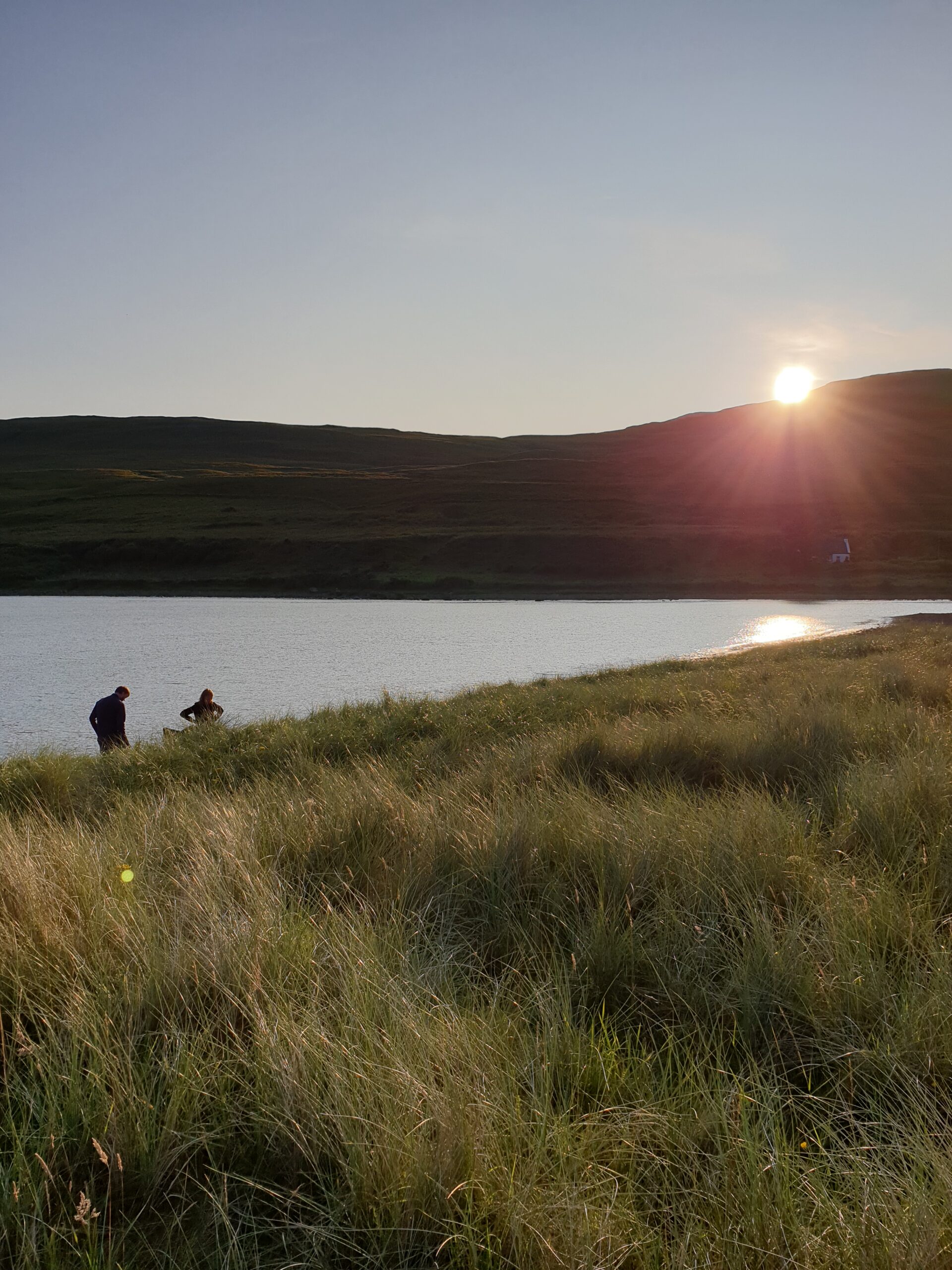
Glen Rosa Campsite ― Glen Rosa is as romantic of a glen as Scotland has them, slowly rising into the heart of the dramatic hills of Arran. At the head of the glen there's a wee campsite, that is so basic that it feels almost like a wild camp, but with the proximity of a toilet and water tap. My friends and I pitched our tents further up in the glen, wanting a closer start to tackling the corbetts next morning, but the campsite looked ever so appealing, surrounded by trees in all colours at the peak of autumn. Probably the best time of year to camp here, for the midges are said to be horrific during summer. You’re free to pitch your tent anywhere on the grassy fields along the river bank, and will spend your evening gazing into Glen Rosa, where Arran’s hills lure.
⁍ Open year-round | £5 through honesty box
⁍ Facilities: free pitching on grassy field, toilets, water tap, waste bin, no showers, no electricity, no phone service.
⁍ How to reach: bus 322 from Brodick stops at Glen Rosa Road End, 1,2 km away. Or 45 min walk from Brodick.
Wild camping
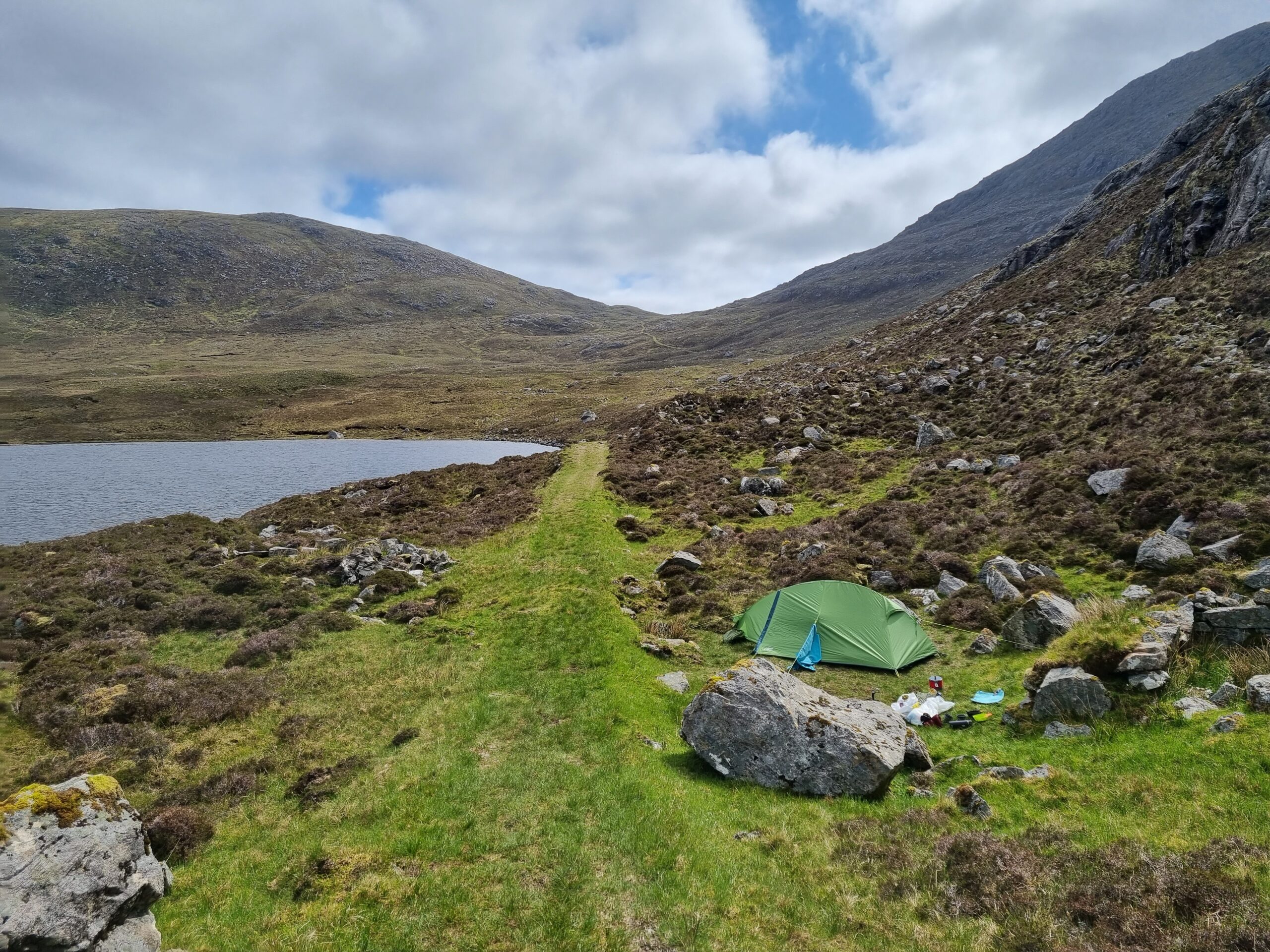
I could make a long list of all the best places to go wild camping in Scotland, the options are infinite – but the most fun of wild camping is in discovering your own spots along a route. Pick up a map, study the landscape and look for flat bits of land close to a water source. Some of my favourite nights out were high up on hilltops like Suilven or Conic Hill. Incredible vistas to wake up to, but far away from shelter and running water, they’re not exactly a pleasant night of sleep. For a more comfortable camp, stay on a lochside or in a sheltered cove, or at the bottom of a glen. Most bothies come with a campground as well, and are a good option for first timers.
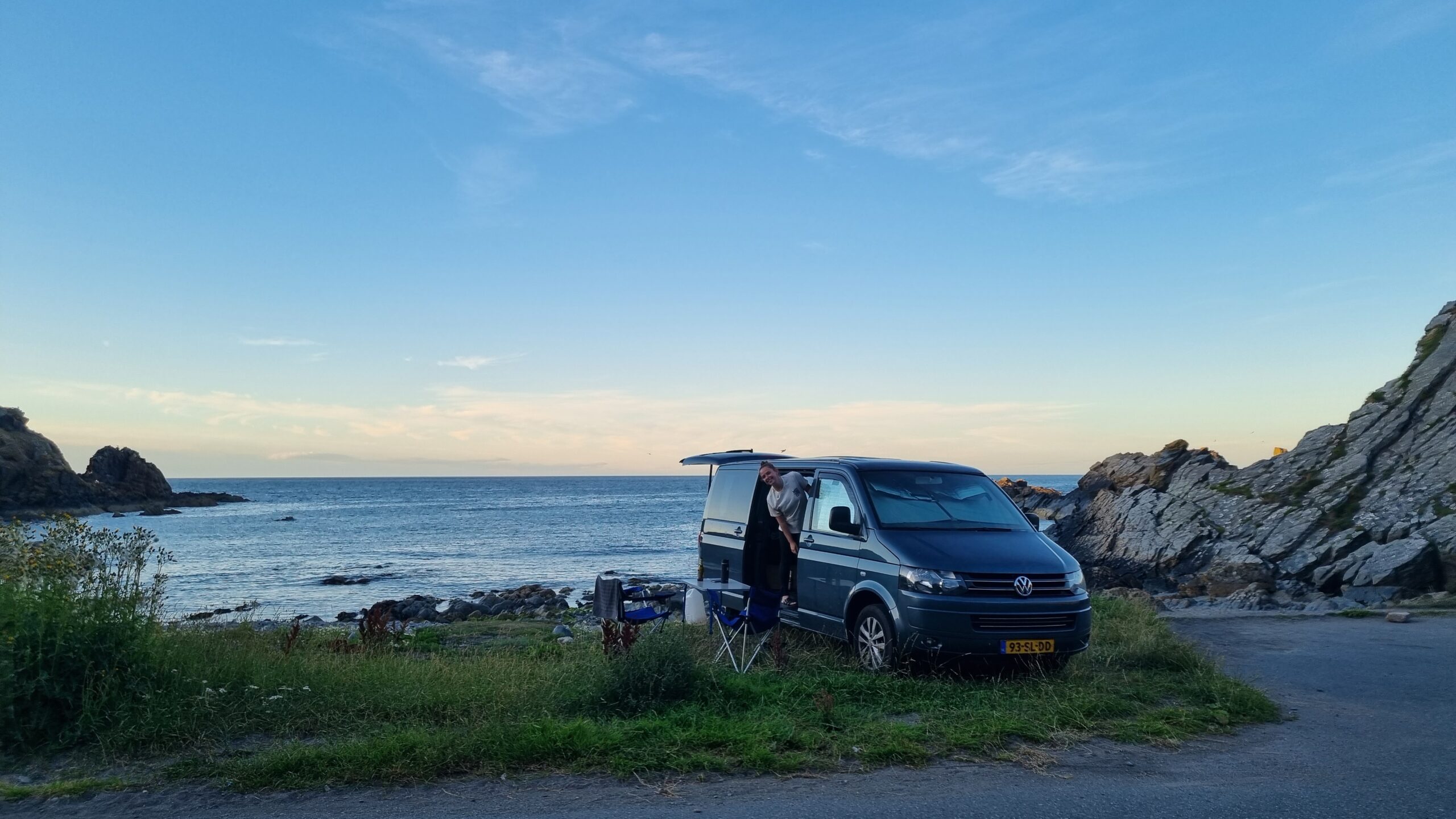
Campervans are another very popular mode of travelling around Scotland. While the Scottish Outdoor Access Code does not apply to motorhomes – so wild campervanning is technically not allowed – the activity is tolerated in a lot of places. There are designated parking spots in scenic areas that ask for a small donation, sometimes offering simple services like a toilet. Examples are the West Harris Trust Spots and Stoer Lighthouse. You can also find your own spots along any minor road, as long as there’s no sign up that prohibits overnight parking. Also never stop in a passing place! The same guidelines for wild camping apply here – park away from houses, leave no trace and only dispose of chemical waste in a Chemical Disposal Point.

Leave a Reply